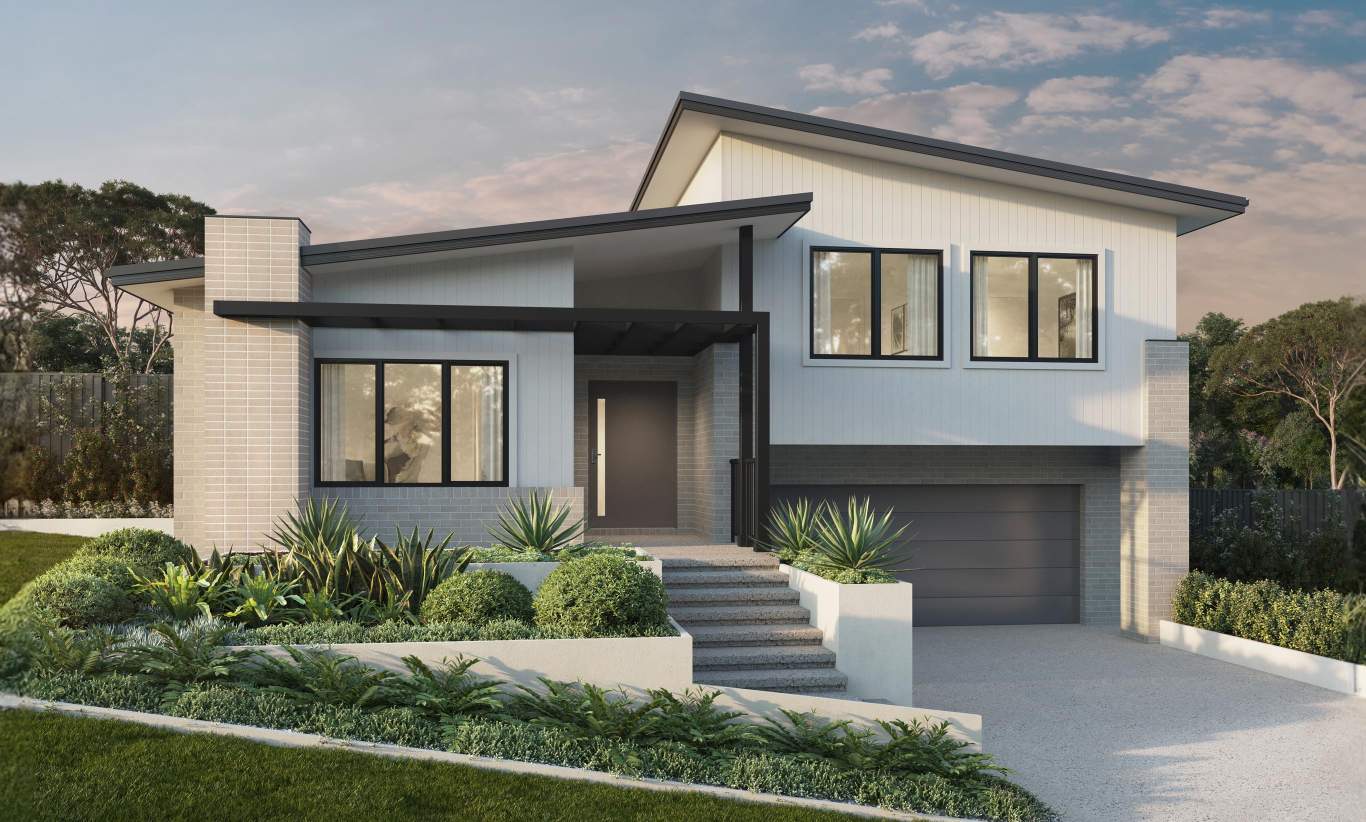

East Java, a region of Indonesia renowned for its natural beauty, also faces a significant challenge: frequent and devastating floods. These floods pose a serious threat to the safety and well-being of its inhabitants, causing immense damage to homes and infrastructure. This necessitates a shift towards Flood Resilient Design (East Java), prioritizing homes that can withstand the impact of floodwaters.

Key Takeaways:
- Elevated foundations and flood-resistant materials are crucial elements of Flood Resilient Design (East Java).
- Government regulations and community involvement are essential for widespread adoption of flood-resistant building practices.
- Understanding local flood patterns and soil conditions is vital for effective design.
- Innovative technologies and traditional building techniques can be combined for optimal resilience.
Flood Resilient Design (East Java): Elevated Foundations and Construction Materials
One of the most critical aspects of Flood Resilient Design (East Java) is raising the foundation of homes above the expected flood level. This simple yet effective strategy prevents water from entering the living space. The height of the foundation should be determined based on historical flood data and projected future flood levels. In addition to elevation, the choice of building materials is crucial. Materials resistant to water damage, such as treated timber, concrete, and certain types of bricks, are preferred. We must also consider the use of waterproof sealants and coatings to further protect the structure. Proper drainage systems around the house are equally important, guiding water away from the foundation and preventing waterlogging.
Flood Resilient Design (East Java): Integrating Nature-Based Solutions
Nature-based solutions play a significant role in Flood Resilient Design (East Java). This involves integrating natural elements into the design to reduce the impact of floods. For example, strategically placed green spaces and wetlands can act as natural buffers, absorbing excess rainwater and mitigating flood intensity. Planting vegetation around homes also helps improve drainage and prevent soil erosion. These natural solutions complement engineering approaches and offer a more sustainable and eco-friendly way to enhance flood resilience. Involving local communities in the planting and maintenance of these green spaces fosters a sense of ownership and ensures their long-term sustainability.
Flood Resilient Design (East Java): Government Regulations and Community Engagement
The success of Flood Resilient Design (East Java) depends heavily on supportive government policies and active community involvement. The government plays a critical role in establishing and enforcing building codes that incorporate flood resilience measures. These codes should specify minimum elevation requirements, acceptable building materials, and drainage standards. Furthermore, the government can provide financial incentives and technical assistance to homeowners to encourage the adoption of flood-resistant designs. Community participation is also vital. Educating the public about flood risks and the benefits of flood-resistant construction is crucial. We must establish community-based initiatives that encourage collaboration and knowledge-sharing among residents.
Flood Resilient Design (East Java): Innovative Approaches and Traditional Techniques
Flood Resilient Design (East Java) benefits from a blend of innovative technologies and time-tested traditional building techniques. Innovative approaches might include the use of prefabricated flood-resistant modules or the incorporation of smart sensors to monitor water levels and provide early flood warnings. However, traditional building methods that have proven effective in flood-prone areas should not be overlooked. These methods, often adapted to local materials and climate conditions, provide valuable insights and solutions. For example, the use of raised platforms or stilt houses, a common practice in many parts of the world, offers an effective way to protect homes from floodwaters. Combining these traditional techniques with modern innovations allows for cost-effective and environmentally conscious solutions. By Flood Resilient Design (East Java)
About the Author