

In any organization, government body, or private enterprise, policies serve as the guiding principles and rules for operations and decision-making. However, policies are only as good as their implementation. This brings us to the importance of policy execution frameworks, which are structured approaches and systems designed to translate written policies into concrete actions and measurable outcomes. When these frameworks are efficient, they ensure that policies achieve their intended goals effectively, minimize waste, and maintain consistency across various functions and departments.
Overview
- Policy execution frameworks are systematic methods for putting policies into practice.
- Efficiency in these frameworks means achieving policy goals with optimal resource use and minimal errors.
- Key characteristics include clarity, adaptability, accountability, and proper resource allocation.
- Robust frameworks typically comprise clear communication channels, robust monitoring systems, feedback loops, and training programs.
- Successful implementation involves clear assignment of roles, phased rollouts, and continuous stakeholder engagement.
- Effective policy execution frameworks lead to better compliance, improved service delivery, and stronger organizational credibility.
- These frameworks are vital for ensuring that strategic objectives are met and regulatory requirements, such as those in the US, are consistently upheld.
What Defines Efficient Policy Execution Frameworks?
Efficient policy execution frameworks are characterized by several core attributes that allow them to function smoothly and produce desired results. Foremost among these is clarity: policies must be unambiguous, well-documented, and easily understood by all personnel responsible for their implementation. This reduces misinterpretation and ensures a unified approach. Another critical aspect is adaptability. Policies and their execution methods must be flexible enough to adjust to changing circumstances, new information, or evolving challenges without complete overhaul. A rigid framework can quickly become obsolete, hindering progress rather than facilitating it. Accountability also sits at the heart of efficiency; clear lines of responsibility for execution and oversight are essential. Everyone involved must understand their role and the consequences of adherence or non-adherence. Finally, proper resource allocation, including personnel, budget, and technology, is fundamental. Without adequate support, even the most well-designed policy execution framework will struggle to perform effectively. Efficient frameworks prioritize resource deployment where it can have the greatest impact.
Key Components of Robust Policy Execution Frameworks
Building a robust policy execution framework requires incorporating several interconnected elements that work in synergy. A foundational component is a well-defined communication strategy. This involves not just initial dissemination of policies but also ongoing clarification, updates, and channels for questions and feedback. Second, effective monitoring and evaluation systems are indispensable. These systems track implementation progress, measure outcomes against established key performance indicators (KPIs), and identify areas needing adjustment. Without accurate data, it’s impossible to know if a policy is being executed efficiently or if it’s achieving its goals. Third, built-in feedback loops are crucial. These mechanisms allow for insights from the ground level to inform policy adjustments and framework improvements, ensuring a continuous cycle of learning and optimization. Additionally, comprehensive training and capacity-building programs are vital to equip personnel with the necessary knowledge and skills to execute policies correctly. This includes understanding the policy’s intent, specific procedures, and the tools available for compliance.
Implementing Efficient Policy Execution Frameworks in Practice
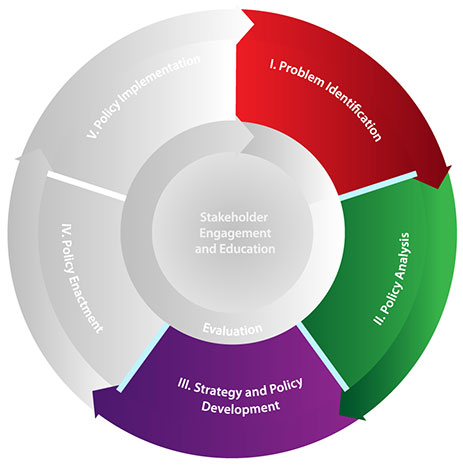
Putting efficient policy execution frameworks into practice involves a systematic approach, starting with a thorough planning phase. This includes identifying stakeholders, mapping out the policy’s lifecycle from inception to review, and defining measurable success criteria. Clear assignment of roles and responsibilities is paramount, ensuring that individuals and teams know exactly what is expected of them and by when. Often, a phased rollout strategy is beneficial, especially for complex policies or large organizations. This allows for testing, learning, and refinement in smaller segments before full implementation, minimizing disruption and risk. Continuous engagement with stakeholders, including those affected by the policy and those implementing it, helps foster ownership and address concerns proactively. Regular review meetings and performance audits are also key to maintaining efficiency. For instance, in the US federal agencies, strict guidelines and reporting requirements exist to ensure public policies are implemented consistently and taxpayer money is used efficiently, demonstrating the critical nature of these frameworks in public administration.
The Impact of Strong Policy Execution Frameworks
The presence of strong, efficient policy execution frameworks yields significant positive impacts across an organization or government. Primarily, they lead to improved compliance, both internal adherence to organizational rules and external compliance with legal and regulatory mandates. This reduces legal risks, avoids penalties, and builds trust with stakeholders. Furthermore, these frameworks directly contribute to better service delivery and operational effectiveness. When policies are executed consistently and efficiently, services are delivered more reliably, and internal processes run more smoothly, leading to higher satisfaction for customers, citizens, or employees. They also play a crucial role in strategic objective attainment. By ensuring that policies designed to achieve specific organizational goals are actually put into action effectively, the frameworks become a direct link between strategy and results. Ultimately, organizations with mature and efficient policy execution frameworks often enjoy enhanced credibility and a stronger reputation, demonstrating their commitment to good governance and responsible operations.
About the Author